
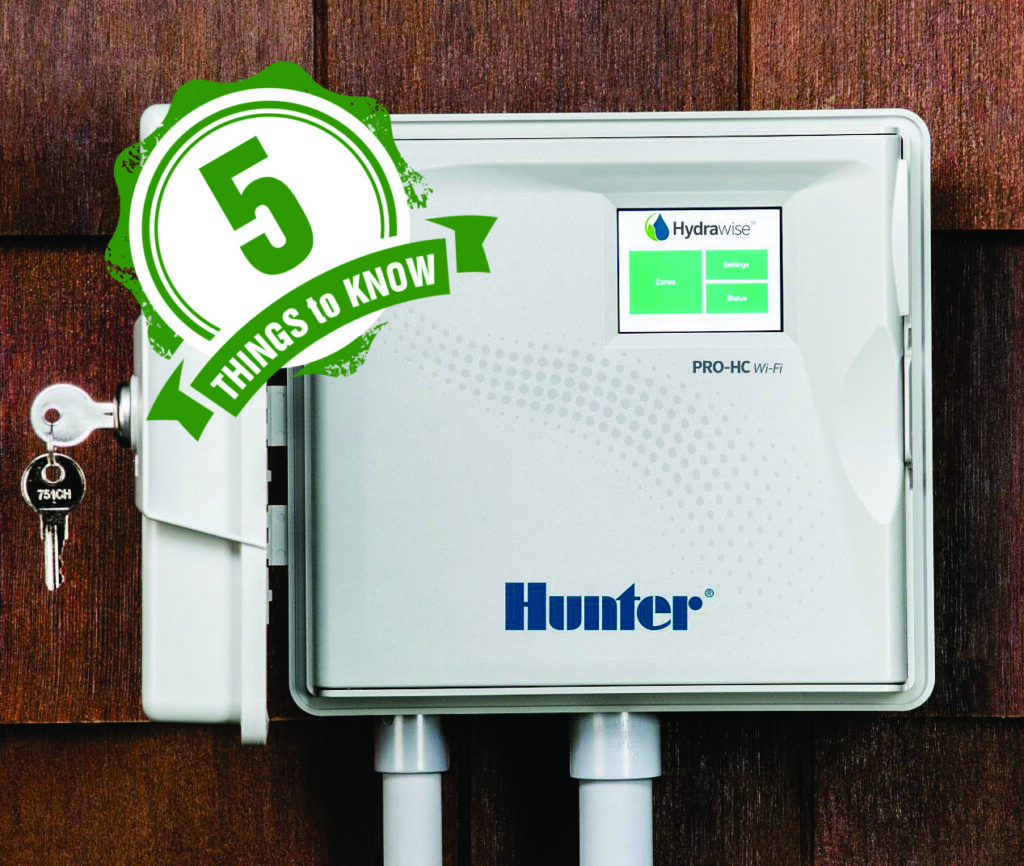
WiFi residential irrigation controller mouted to a wall with two conduit pipes connected to the bottom

5 Things to Know About Residential WiFi Irrigation Controllers

Residential Wi-Fi irrigation controllers are smart devices that help homeowners manage their lawn and garden watering systems with ease. These controllers connect to your home’s Wi-Fi network, allowing you to control and monitor your irrigation system from a smartphone, tablet, or computer, even when you’re not at home.

One of the key features of these controllers is their ability to use local weather data to automatically adjust watering schedules. For example, if it rains, the controller can skip a scheduled watering, saving water and preventing overwatering. Many models also allow you to customize settings for different areas of your yard, ensuring each zone gets the right amount of water.

These controllers are also compatible with smart home systems like Amazon Alexa or Google Assistant, making it easy to integrate them into your home’s automation system. Overall, Wi-Fi irrigation controllers offer a convenient, efficient, and eco-friendly way to manage your landscape watering.

Here are five key things to know about Wi-Fi residential irrigation controllers:

1.Remote Access and Control:

Wi-Fi irrigation controllers allow homeowners to manage their irrigation systems remotely via a smartphone app or web interface. This convenience means you can adjust watering schedules, start or stop irrigation, and monitor system status from anywhere with an internet connection.

2. Weather-Based Adjustments:

Many Wi-Fi irrigation controllers use local weather data to automatically adjust watering schedules based on real-time conditions. This can help prevent overwatering or underwatering by considering factors like rainfall, temperature, humidity, and wind.

3. Water Efficiency:

These controllers can significantly increase water efficiency by tailoring irrigation schedules to the specific needs of your landscape. Some models even allow for zone-specific customization, ensuring that each part of your yard gets the right amount of water based on its unique requirements.

4. Smart Home Integration:

Many Wi-Fi irrigation controllers are compatible with smart home systems like Amazon Alexa, Google Assistant, or Apple HomeKit. This integration allows for voice control and can also be tied into other smart devices for a more cohesive home automation experience.

5. Easy Installation and User-Friendly Interface:

Modern Wi-Fi irrigation controllers are designed to be easy to install and set up. Most come with straightforward instructions and intuitive apps that guide users through the process. The user-friendly interface makes it simple to monitor and adjust settings, even for those who aren’t tech-savvy.

An in-ground residential sprinkler system in operation, watering a lush, green lawn. The sprinkler heads are popping up from the ground, spraying water in a fan-like pattern across the grass. Water droplets are glistening in the sunlight, and there is a slight rainbow effect from the spray. The background features a well-maintained house with a clear blue sky above, and some neatly trimmed bushes along the edges of the lawn.

The Importance of Summer Automatic Sprinkler Timing Adjustment

As summer approaches, maintaining a healthy and vibrant lawn becomes a top priority for many homeowners. One of the most effective ways to ensure your lawn stays lush and green during the hot summer months is through proper irrigation. However, simply having an automatic sprinkler system in place is not enough. Adjusting the timing of your sprinkler system during the summer is crucial to optimize water usage, promote healthy grass growth, and prevent common lawn problems. Here’s why adjusting your sprinkler timing in the summer is essential and how you can do it effectively. 

Understanding the Need for Adjustment 

During the summer, temperatures rise and the sun’s intensity increases, leading to higher evaporation rates and more rapid soil drying. Consequently, your lawn requires more frequent and deeper watering to stay healthy. However, watering at the wrong times or with the wrong frequency can lead to water wastage, increased utility bills, and lawn diseases. 

Efficient Water Use:

Adjusting your sprinkler timing helps in making efficient use of water. Watering during the early morning hours, typically between 4 a.m. and 10 a.m., reduces evaporation losses. Watering in the evening can lead to prolonged moisture on the grass, promoting fungal growth and diseases. By fine-tuning your sprinkler system to operate during optimal times, you ensure that water reaches the roots more effectively and minimizes wastage. 

Promoting Deep Root Growth:

Frequent, shallow watering leads to shallow root systems, making your lawn more susceptible to drought and heat stress. Adjusting your sprinkler system to water deeply but less frequently encourages grass roots to grow deeper. This enhances the grass’s ability to access water from deeper in the soil, making it more resilient during dry periods. 

Preventing Lawn Diseases:

Overwatering or improper watering times can create conditions favorable for lawn diseases. Fungal diseases, in particular, thrive in moist environments. Adjusting your sprinkler timing to ensure the lawn has ample time to dry out during the day helps prevent such issues. Proper timing also reduces the risk of runoff, which can wash away nutrients and soil. 

How to Adjust Your Sprinkler Timing 

Evaluate Current Settings:  

Start by reviewing your current sprinkler settings. Note the duration and frequency of watering cycles, as well as the times of day when the system operates. 

Check Local Watering Recommendations

Different regions have varying water needs based on climate and soil type. Consult local guidelines or reach out to a lawn care professional to determine the recommended watering schedule for your area. 

Adjust Timing and Duration:  

Set your sprinklers to run during the early morning hours. Adjust the duration to ensure that each zone receives sufficient water to penetrate the soil to a depth of 6 to 8 inches. This typically requires about 20-30 minutes per zone, but the exact time may vary depending on your sprinkler system and water pressure.  

Monitor and Modify:  

Keep an eye on your lawn’s condition throughout the summer. If you notice signs of overwatering, such as waterlogged areas or fungal growth, reduce the watering duration. Conversely, if the grass appears dry or stressed, increase the duration or frequency slightly.  

Utilize Smart Controllers: 

Consider upgrading to a smart sprinkler controller. These devices automatically adjust watering schedules based on weather conditions, soil moisture levels, and plant needs. This ensures optimal irrigation without the need for constant manual adjustments. 

Conclusion 

Properly adjusting your automatic sprinkler timing during the summer is essential for maintaining a healthy, beautiful lawn while conserving water. By watering at the right times and in the right amounts, you can promote deep root growth, prevent lawn diseases, and make efficient use of water resources. Taking the time to fine-tune your sprinkler system now will pay off in the form of a resilient and vibrant lawn all summer long.