
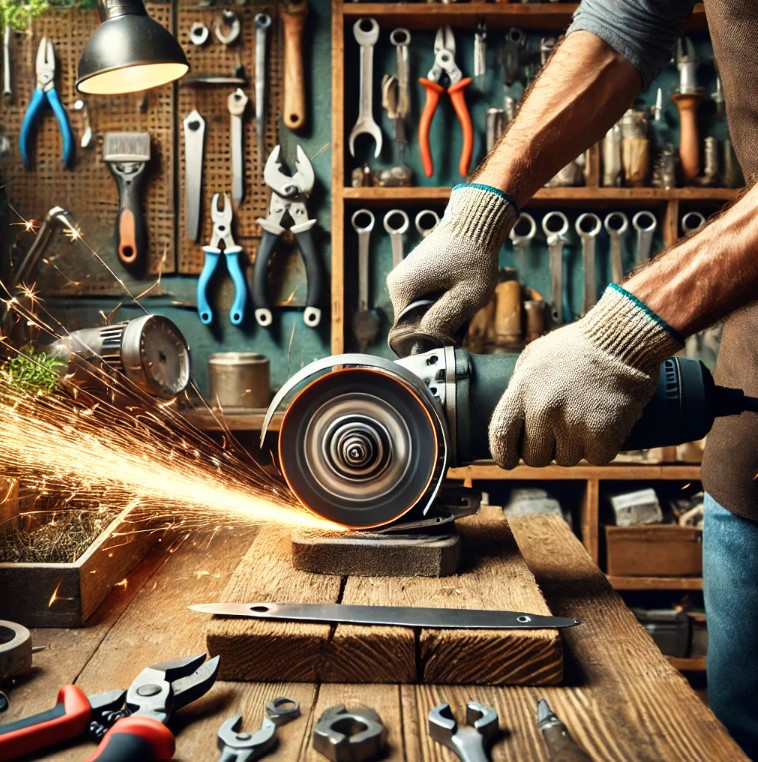
When and Why to Sharpen Lawn Mower Blades
Maintaining a well-manicured lawn requires more than just regular mowing; it also involves ensuring that your lawnmower is in top condition. One critical aspect of lawnmower maintenance is sharpening the blades. Sharpening lawnmower blades is essential for various reasons, including the health of your lawn, the efficiency of your mower, and the overall appearance of your yard. Here’s a detailed look at when and why you should sharpen your lawnmower blades.
When to Sharpen Your Lawnmower Blades
Frequency of Mowing:
As a general rule of thumb, you should sharpen your lawnmower blades after every 20-25 hours of use. For most homeowners, this translates to about twice a season. However, the exact frequency can vary depending on how often you mow and the size of your lawn.
Visible Signs of Dullness:
Inspect your lawn regularly. If you notice that your grass tips are ragged and torn rather than cleanly cut, it’s a sign that your blades are dull. Torn grass tips can turn brown and make your lawn look unhealthy.
Physical Damage:
After mowing, check the blades for nicks or dents caused by rocks, sticks, or other debris. Physical damage to the blades necessitates immediate sharpening or replacement.
Grass Health:
If your lawn begins to show signs of stress, such as brown patches or uneven growth, it may be due to dull mower blades. Healthy, sharp blades make clean cuts that promote healthier grass.
End of Season:
Sharpening the blades at the end of the mowing season ensures they are ready for use when spring arrives. It’s also a good practice to sharpen them before storing the mower for winter.
Why to Sharpen Your Lawnmower Blades
Healthier Lawn:
Sharp blades make clean cuts on the grass, which helps the grass heal faster and stay healthier. Dull blades tear and shred the grass, leaving jagged edges that are more susceptible to disease and pests. This tearing also leads to a brown, unkempt appearance.
Improved Efficiency:
A mower with sharp blades requires less power to cut the grass, which can prolong the life of your mower. Dull blades force the engine to work harder, which can lead to increased fuel consumption and wear and tear on the motor.
Better Lawn Appearance:
A lawn mowed with sharp blades looks more even and aesthetically pleasing. The grass is cut cleanly and evenly, giving your yard a well-manicured appearance. Conversely, dull blades result in uneven cuts and an unattractive, patchy lawn.
Reduced Stress on Grass:
Sharp blades cut grass efficiently without pulling or tearing. This reduces the stress on the grass plants, allowing them to grow thicker and healthier. Thick, healthy grass is more resilient to environmental stresses such as drought and high temperatures.
Safety:
Sharp blades are also safer. They reduce the risk of the mower getting jammed or clogged, which can cause the mower to malfunction or even become a safety hazard.
Sustainability:
Keeping your mower blades sharp can also have environmental benefits. A well-maintained mower with sharp blades operates more efficiently, consuming less fuel and emitting fewer pollutants.
Conclusion
Sharpening your lawnmower blades is a simple yet crucial aspect of lawn maintenance. Regular sharpening ensures that your mower performs efficiently, keeps your lawn looking pristine, and promotes the overall health of your grass. By paying attention to the signs of dullness and maintaining a consistent sharpening schedule, you can enjoy a lush, green lawn all season long. Remember, a sharp blade is not only about cutting grass; it’s about cutting it well and ensuring that your lawn remains the envy of the neighborhood.