
Core aeration is the most underutilized lawn care practice in residential lawn care. Most homeowners have heard of it. Some do it occasionally. Very few understand why it works, when it actually matters, and how to get the most out of it. Here are five things that will change how you think about aeration.

1. Aeration Is Soil Surgery, Not Just Maintenance

When a core aerator pulls plugs from your lawn, it’s doing something the lawn can’t do for itself: creating macro-pore space in compacted soil. Compacted soil — whether from heavy clay, heavy foot traffic, or years of compression — has very little space for air, water, and roots to move through. Grass roots can only grow where there’s space to grow. On heavily compacted soil, they max out at 1-2 inches depth. On aerated, amended soil, they reach 4-6 inches or deeper.

The difference in root depth changes everything about how a lawn performs. Deeper roots access subsoil moisture during drought. Deeper roots anchor the plant through heat stress. Deeper roots draw nutrients from a larger soil volume. Aeration isn’t a cosmetic process — it’s the structural work that makes the rest of your lawn program possible.

2. The Right Equipment Matters Enormously

Not all aerators are equal, and the difference is significant enough to change your results. Rolling drum aerators — the kind that look like a wheel with spikes — push hollow tines into the soil but often at inconsistent depth and spacing. Plugr-style reciprocating aerators (like the Plugr 800 series, commonly available at equipment rental shops) drive tines deeper and produce more consistent, better-spaced core holes.

For most homeowners, renting a plugr-style aerator from a local equipment rental shop is worth the extra cost over the rolling drum units at Home Depot. If you’re on heavy clay — which resists tine penetration — the plugr is not optional. A rolling drum on dry, compacted clay will often bounce across the surface without meaningful penetration.

3. Fall Is Better Than Spring for Cool-Season Grass (But Spring Has Its Place)

For cool-season grasses (fescue, bluegrass, ryegrass), fall aeration is significantly better than spring for several reasons: soil is often drier and cores pull more cleanly, the turf is heading into its best growth period (cool fall temperatures) and can recover from stress quickly, and fall aeration pairs naturally with overseeding, which works best in September.

Spring aeration isn’t wrong — it’s better than not aerating — but the recovery period overlaps with summer stress, meaning you’re putting holes in a lawn right before its hardest months. If you can only aerate once, fall is the right time. If you want to aerate twice, early spring plus fall is the optimal combination.

4. Compost Topdressing After Aeration Multiplies the Benefit

Aeration creates channels into the soil. What you put into those channels determines how much long-term benefit you get. Leaving the plugs to dry and break down is fine — it returns the existing soil biology back to the surface. But replacing that material with quality compost is a meaningful upgrade.

Apply a quarter to half inch of screened compost over the aerated surface immediately after the cores are pulled. Work it lightly with a push broom to help it settle into the holes. The compost displaces your existing compacted clay material in the holes with organic matter and beneficial microbiology. Over multiple years, this process measurably improves clay soil structure. On its own, aeration helps. Aeration plus compost builds soil.

5. Annual Aeration on Clay Soil Is a Multi-Year Commitment

The most common complaint about aeration is “I did it and nothing happened.” If this is you, the issue almost certainly isn’t the aeration — it’s the timeline expectation. On heavy clay with significant compaction, one aeration session produces modest results. The second year produces more. By year three, the cumulative effect is often dramatic and visible.

Clay soil has high buffering capacity — it resists change. Breaking up compaction and building organic matter in clay is a multi-year project, not a one-season event. If you aerate your clay lawn once and declare it doesn’t work, you quit before the payoff. Annual aeration plus compost topdress for three consecutive years on a compacted clay lawn will produce results that a single high-effort renovation often can’t match.

From the Forum

Forum member Dale Burnett documented exactly this multi-year progression on his heavy clay Dayton lawn: “Year one I aerated and honestly couldn’t tell any difference. Year two I aerated plus did a compost topdress — some improvement. Year three — this past September — the difference is now genuinely visible. Puddles drain in minutes instead of sitting for an hour. Earthworm castings visible on the surface.” His patience with the multi-year process is exactly what heavy clay soil requires.

AI Insight

The consistent failure pattern for aeration is expecting immediate results on soil that took years to compact. The consistent success pattern is annual commitment with compost topdressing, patience through year one and two, and the visible payoff in year three and beyond. Aeration on clay isn’t a treatment — it’s a practice. The distinction matters for setting expectations and staying committed to the program.

What to Do Next

If you haven’t aerated this fall, there’s still time in most of the Midwest through mid-October. Call your local equipment rental shop and reserve a plugr-style aerator for a weekend. Order a bag of screened compost. Post your before and after in the Aeration forum — we want to see the results. If you’ve already aerated this season, share what you did and what you’re seeing. The community data from real lawns is more useful than any chart.
Fall overseeding is the highest-ROI lawn care activity for cool-season grass in the Midwest. It’s also the most commonly done wrong. Not because the process is complicated — but because most people get the timing, prep, or watering wrong and then blame the seed. Here are five things that will change your results this September.

1. Your Soil Temperature Window Is Smaller Than You Think

Cool-season grass seed — tall fescue, Kentucky bluegrass, perennial rye — germinates best when soil temperature at 2 inches is between 50°F and 65°F. In most of the Midwest, that window runs from roughly the second week of September through mid-October. After that, soil temps drop below 50°F and germination becomes slow and unreliable.

The consequence: if you wait until October to overseed in Ohio, Indiana, or Illinois, you’re leaving yourself 4-6 weeks of optimal germination time, and newly germinated seedlings may not have enough time to establish before the first hard frost. Aim for September 1-15 as your target window. Earlier is better.

2. Seed-to-Soil Contact Is More Important Than Seed Rate

The most common reason overseeding fails isn’t bad seed — it’s seed that sits on top of thatch or dead matter and never makes real contact with soil. A grass seed that’s resting on half an inch of thatch will germinate and then immediately run out of moisture and die because its tiny root has nowhere to go.

This is why aeration before overseeding makes such a dramatic difference. Core aeration creates hundreds of holes per square foot — each one is a direct pathway to soil. Seed that falls into aeration holes has near-100% chance of germination and establishment. Seed that lands on an un-aerated surface has dramatically lower success rates. Aerate first. Always.

3. The Three-Times-Daily Watering Rule Is Non-Negotiable

Germinating seed cannot dry out. Once the seed coat opens and the radicle (initial root) begins to emerge, any period of surface drying kills it. Most homeowners water once a day in the morning and think they’re done. By 2 PM on a warm September day, that surface is dry again and germinating seeds are dying.

For the first 10-14 days after seeding, water three times per day — short cycles (4-6 minutes per zone), not your normal deep watering. The goal is to keep the top half inch of soil consistently moist. Once germination is visible and seedlings are about an inch tall, start backing off to twice daily, then once daily, then your normal deep-watering schedule. This transition takes about 3 weeks total.

4. Pre-Emergent and Overseeding Are Mutually Exclusive

Pre-emergent herbicides don’t know the difference between crabgrass seed and turf grass seed. If you applied pre-emergent in spring for crabgrass prevention, any active residue in the soil will inhibit your overseed germination. Most spring pre-emergent applications have degraded enough by September to allow overseeding — but if you applied late (May or June) or used a product with a longer residency, residue may still be an issue.

The inverse is also critical: if you plan to overseed in fall, do not apply any fall pre-emergent (some people apply in September for winter annual weeds). Wait until the overseeded grass has established and been mowed at least twice before considering any pre-emergent application.

5. The Seed Selection Matters More Than Most People Think

Not all “fescue” seed is equal. Bargain bin “lawn seed” from box stores often contains low-quality, older variety fescue with poor heat and disease resistance. Products using named varieties from recent NTEP (National Turfgrass Evaluation Program) trials — which test disease resistance, heat tolerance, drought performance, and density — give you significantly better long-term results.

Brands like Jonathan Green Black Beauty Ultra and Pennington Smart Seed use contemporary, tested varieties. They cost more per bag — sometimes twice as much — but the variety quality compounds over years. You’re not just buying this year’s grass. You’re establishing the genetic material that will be in your lawn for the next decade.

From the Forum

Forum member Mike Ashford documented his most successful overseeding season in detail: core aerated September 8th with soil still at 65°F, immediately ran a slit seeder in two directions, maintained 3x daily watering discipline for 10 days, and had visible germination at day 8 with dense coverage by day 14. His key insight: “The big difference vs. my previous attempts: aeration first, proper seed-to-soil contact with the slit seeder, and the 3x daily watering discipline in the germination window.”

AI Insight

The pattern in failed overseeding attempts follows a predictable script: too late in the season, no soil prep, one watering per day, cheap seed blend. The pattern in successful overseeding is equally consistent: September timing, core aeration, three-times-daily germination watering, quality seed. The variables are known. The results are predictable. The question is execution.

What to Do Next

Mark September 1-15 in your calendar right now as your overseed window. Rent a core aerator (Home Depot and most equipment rental places have them). Order quality seed now so it’s on hand when you need it. Share your results — before and after — in the Verticut and Overseeding forum. The community builds the most useful knowledge from real documented results.

Every spring, thousands of Midwest homeowners spend good money on pre-emergent herbicide and still end up with crabgrass by July. The product isn’t broken. The timing is. Here are the five things you need to understand before your next application.

1. Soil Temperature Controls Everything — Not the Calendar

Pre-emergent herbicides work by creating a chemical barrier in the soil that prevents germinating seeds from establishing roots. They do not kill existing plants. They stop germination. And the window when they need to be active in the soil is when crabgrass germinates — specifically when soil temperature at a 2-inch depth reaches 55°F consistently.

In the Midwest, that’s typically late April to early May depending on the year. Not mid-March. Not “when it stops feeling cold.” Get a soil thermometer (they cost $12 at any hardware store) and check the soil temperature at 2 inches depth in the morning for several consecutive days. When it hits 50°F and is trending upward, you’re approaching the application window.

2. The Forsythia Signal Is Real (But Use It Carefully)

The traditional timing cue for pre-emergent application is forsythia bloom — the yellow flowering shrub that blooms in early spring. When forsythia reaches full bloom in your area, soil temperatures are generally approaching 50°F. This is a useful free signal if you don’t have a soil thermometer.

The key word is “full bloom.” Not the first few flowers. Full bloom. There’s typically a 10-14 day window between the first blooms and full bloom, and that window matters. Apply at first bloom and you may be 2 weeks too early. Wait for full bloom to apply, and you’re in the right zone.

3. Rain Activates It — Drought Deactivates It

Pre-emergent herbicides need water to move into the soil and form the protective barrier. If you apply and it stays dry for more than 2 weeks, the product will begin degrading before it ever activates. Watch the forecast. An application followed by at least half an inch of rain within the first week is ideal. If you’re in a dry spring, consider irrigating after application to activate it.

Conversely, heavy rain immediately after application can wash the product away from where you need it. Light to moderate rain is perfect. A half-inch downpour within 24 hours of application can reduce effectiveness.

4. Pre-Emergent and Overseeding Cannot Happen in the Same Area at the Same Time

This is the mistake that comes up in our forum every single year. Pre-emergent herbicides do not distinguish between crabgrass seed and turf grass seed. If you apply pre-emergent and then try to overseed thin areas of your lawn that spring, your grass seed will fail to germinate along with the crabgrass.

Your options are: skip pre-emergent in areas where you’re overseeding and accept some crabgrass, or delay overseeding until fall when pre-emergent is long degraded and soil temperatures favor cool-season grass germination. For most Midwest homeowners, fall overseeding is the right answer anyway — it produces better results than spring overseeding for cool-season grass.

5. A Split Application Doubles Your Protection Window

Rather than applying the full recommended rate in one application, consider splitting it: apply half the rate at the timing window, then apply the other half 6 weeks later. Most pre-emergent products have an efficacy window of 8-12 weeks. By splitting the application, you extend protection through mid-summer when late-germinating crabgrass becomes a problem.

This approach works especially well with prodiamine (the active ingredient in products like Barricade), which has a longer residency than pendimethalin or dithiopyr. Check your product’s label to confirm compatibility with split application before trying this approach.

From the Forum

This topic sparked one of the most engaged threads in our community this season. Forum member Frank Guttuso wrote: “I’ve applied pre-emergent every single spring for three years now and I still get crabgrass every summer.” The thread that followed identified the likely cause — March applications in Illinois, weeks before soil temperatures support crabgrass germination. The product had degraded before the weeds ever germinated. Timing, not product choice, was the issue.

AI Insight

The pattern in forum conversations about pre-emergent failure is remarkably consistent: homeowners apply at the right time of year by feel or calendar, but the year-to-year variation in actual soil temperature can shift the effective window by 2-3 weeks. A soil thermometer eliminates that guesswork entirely. It’s the $12 tool that replaces $40 worth of wasted herbicide.

What to Do Next

This week: order or buy a soil thermometer if you don’t have one. Record your soil temperature at 2 inches daily starting in late March. Post your readings in our Spring Lawn Care Tips forum — we’re tracking soil temp data across the Midwest this season to help everyone calibrate their timing. When your soil hits 50°F consistently, that’s your application window.

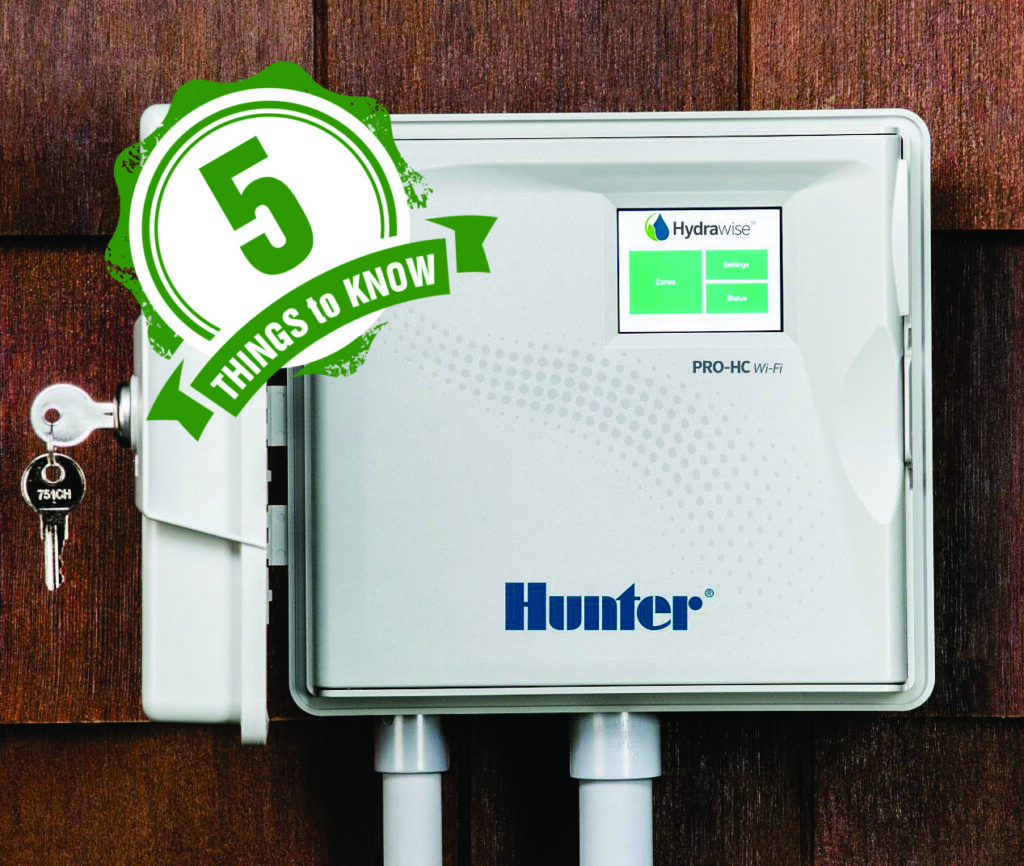
WiFi residential irrigation controller mouted to a wall with two conduit pipes connected to the bottom

5 Things to Know About Residential WiFi Irrigation Controllers

Residential Wi-Fi irrigation controllers are smart devices that help homeowners manage their lawn and garden watering systems with ease. These controllers connect to your home’s Wi-Fi network, allowing you to control and monitor your irrigation system from a smartphone, tablet, or computer, even when you’re not at home.

One of the key features of these controllers is their ability to use local weather data to automatically adjust watering schedules. For example, if it rains, the controller can skip a scheduled watering, saving water and preventing overwatering. Many models also allow you to customize settings for different areas of your yard, ensuring each zone gets the right amount of water.

These controllers are also compatible with smart home systems like Amazon Alexa or Google Assistant, making it easy to integrate them into your home’s automation system. Overall, Wi-Fi irrigation controllers offer a convenient, efficient, and eco-friendly way to manage your landscape watering.

Here are five key things to know about Wi-Fi residential irrigation controllers:

1.Remote Access and Control:

Wi-Fi irrigation controllers allow homeowners to manage their irrigation systems remotely via a smartphone app or web interface. This convenience means you can adjust watering schedules, start or stop irrigation, and monitor system status from anywhere with an internet connection.

2. Weather-Based Adjustments:

Many Wi-Fi irrigation controllers use local weather data to automatically adjust watering schedules based on real-time conditions. This can help prevent overwatering or underwatering by considering factors like rainfall, temperature, humidity, and wind.

3. Water Efficiency:

These controllers can significantly increase water efficiency by tailoring irrigation schedules to the specific needs of your landscape. Some models even allow for zone-specific customization, ensuring that each part of your yard gets the right amount of water based on its unique requirements.

4. Smart Home Integration:

Many Wi-Fi irrigation controllers are compatible with smart home systems like Amazon Alexa, Google Assistant, or Apple HomeKit. This integration allows for voice control and can also be tied into other smart devices for a more cohesive home automation experience.

5. Easy Installation and User-Friendly Interface:

Modern Wi-Fi irrigation controllers are designed to be easy to install and set up. Most come with straightforward instructions and intuitive apps that guide users through the process. The user-friendly interface makes it simple to monitor and adjust settings, even for those who aren’t tech-savvy.